


 |
|



- TAGS: Development
- Link Apartments
Walkability Benefits Residents and Investors
February 11, 2026
Our commitment to walkability is a competitive advantage for Grubb Properties and our Link Apartments® communities, benefiting our residents and communities along with our investors.
Walkability is the ease with which residents can access daily needs on foot, including groceries, dining, transit, jobs, parks, and services. It’s measured by not only the presence of sidewalks, but also the proximity, safety, connectivity and the overall pedestrian experience available within a short walking distance of a residence. Walkability is more than a resident amenity - it’s a strategic differentiator for Grubb Properties and Link Apartments® that impacts leasing, operating performance and long-term asset value.
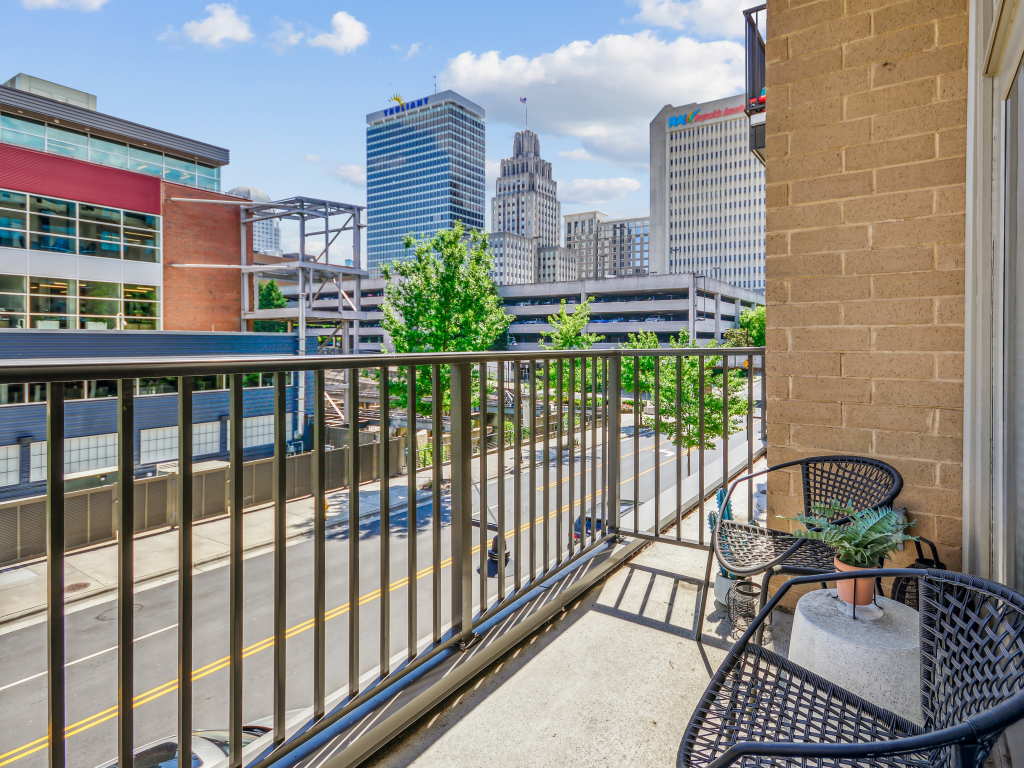
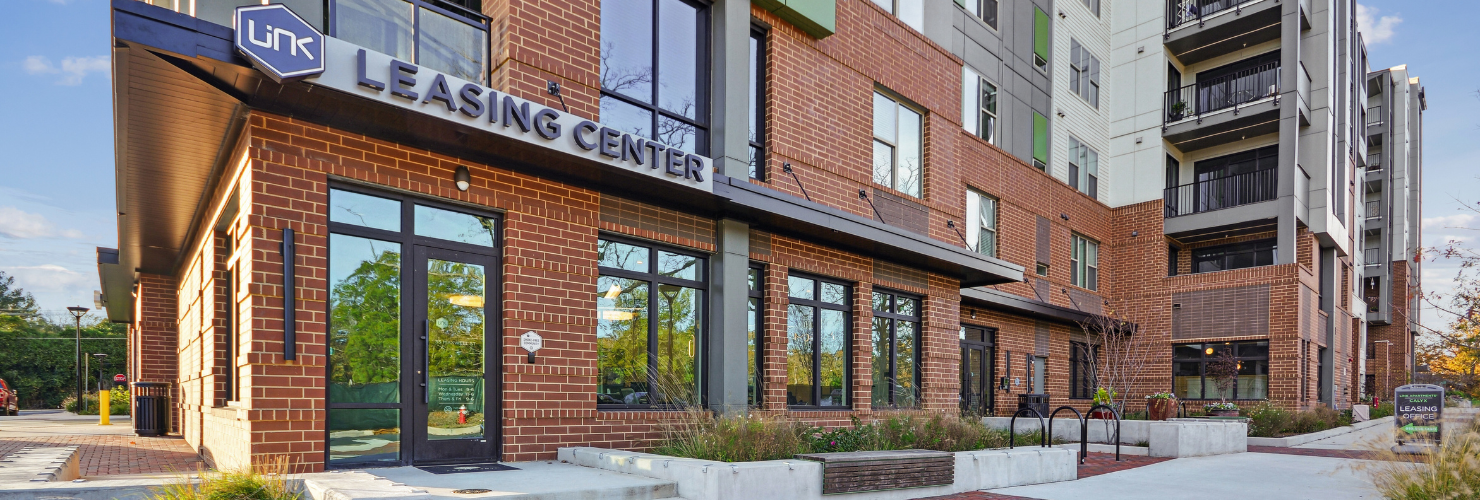
Whether we’re acquiring or developing multifamily properties, we prioritize walkable design and connectivity with surrounding areas in our location selection for our Link Apartments® communities. We look for locations near large, stable employment centers that are near transit options, including bike trails and lanes, public mass transportation and greenways. Wherever possible, we add amenities that encourage and enable walking and non-car transportation options. We were the first private developer, and one of a few in North America, to enlist Copenhagenize to design innovative pedestrian- and bicycle-focused infrastructure.
Two of our multifamily communities have earned milestone recognitions around our commitment to transportation and mobility innovation. Link Apartments® NoDa 36th in Charlotte, NC, was the first residential development in North Carolina to receive a ModeScore certification, and also earned ActiveScore gold. The 5550 in Los Angeles, CA also became the first ModeScore and ActiveScore certified building in Los Angeles and the first residential multifamily project certified in the state of California. These programs assess active travel friendliness, including walkability, cycling access, public transit, and EV readiness.
Over the past several years, the surging cost of car ownership has ignited demand for rental apartments in walkable communities. With higher car prices, insurance premiums, fuel costs, parking fees, and maintenance, owning a car has become a significant financial burden for many young Americans. Transportation is now the second-largest household expense after housing, according to the Consumer Expenditure Survey from the U.S. Bureau of Labor Statistics. Renters are increasingly choosing apartment communities that allow them to walk, bike or take transit, thereby reducing or eliminating car-ownership expenses altogether.
In Apartment List’s latest state of renting report, 76% of renters said walkability matters to them, with 44% of Gen Z renters and 39% of Millennial renters calling it “very important.”
Residents often cite other benefits of walkability including:
- Convenience and time savings: Being able to walk to grocery stores, schools, cafés, transit stops, parks, or work reduces travel time and makes everyday tasks easier.
- Access to public transit: Walkable neighborhoods are usually also well connected to buses, trains, or subways. This gives residents more mobility options.
- Health and well-being: Walking more as part of daily life supports physical health, mental health, and stress reduction.
- Social connection and community: Walkable areas encourage people to be outside, interact with neighbors, and feel more connected to their community, which can reduce isolation.
- Environmental benefits: Less driving means lower carbon emissions and less air and noise pollution, which is important for residents who care about sustainability.
- Lifestyle and urban experience: Many apartment residents prefer an urban or mixed-use lifestyle where living, working, and leisure activities are close together, making daily life feel more vibrant and engaging.
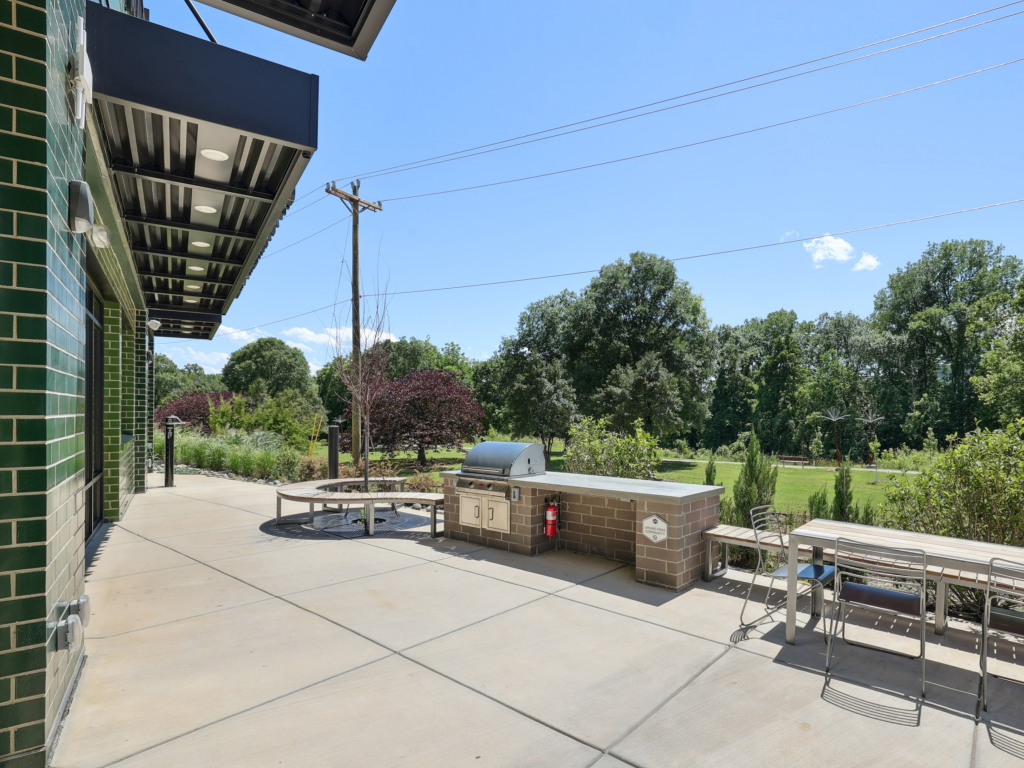
Along with their connected locations, Link Apartments® communities promote alternate forms of transportation by providing bike storage spaces, on-site rental of bikes, electric cars and scooters, and other conveniences. Furthermore, for properties we develop, we limit – or eliminate – space for onsite car parking, which helps reduce the cost of construction. We pass these savings on to residents in the form of lower rents. Limiting parking also allows us to build more units than would otherwise have been possible, further addressing the nation’s undersupply of housing.
Why walkability matters to investors and operators
Our walkable multifamily properties appeal to renters by offering convenience and efficiencies. In our experience, these features often translate into stronger demand, lower vacancy and longer tenancies, which in turn support more-predictable cash flow and operational stability.
Walkability also may produce measurable investment upside. According to research on walkable urban development from Smart Growth America, multifamily properties in walkable places command average rent and sales premiums of roughly 40% over drivable suburban alternatives. In certain major metro markets, the premium can exceed 60%-80%.
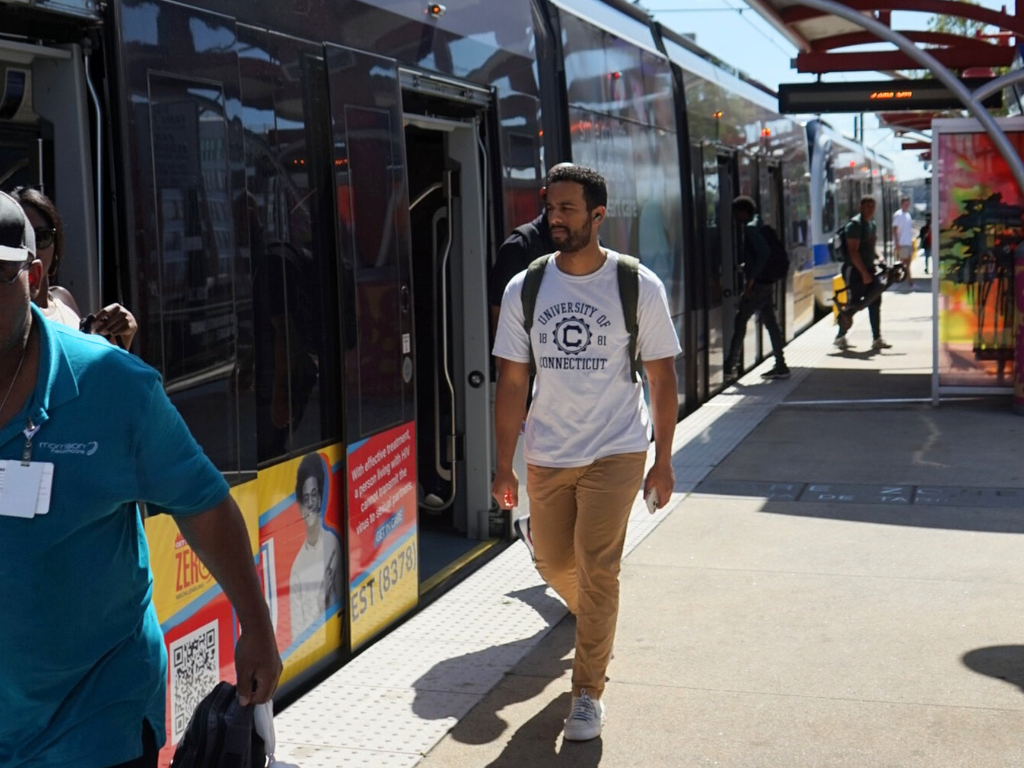
Consider Link Apartments® NoDa 36th, a 534-unit multifamily community located along a revitalized corridor in Charlotte, NC. Designed with walkability as a core principle, the property allows residents to access light rail, neighborhood retail, grocery options, coffee shops, and local restaurants all within a five-minute walk. Pedestrian connections make it easy for residents to complete daily errands without relying on a car. For many residents, a vehicle becomes optional rather than essential meaningful differentiator in a city where housing and transportation costs continue to rise.
To learn more about our Link Apartments® communities, please visit our Communities page.
Get latest articles directly in your inbox, stay up to date

Stay up to date
